Print Kaos Custom Desain Bebas
Tanpa Minimum Order & Kapasitas hingga 2.000 kaos per hari
Cocok untuk perusahaan, komunitas, event dan satuan. Produksi cepat dengan hasil DTF tajam & awet. Tanpa minimum order, Harga mulai dari 45.000 termasuk kaos + cetak. Printkaos.com berbadan usaha PT. YUKBIKIN INDONESIA HEBAT.
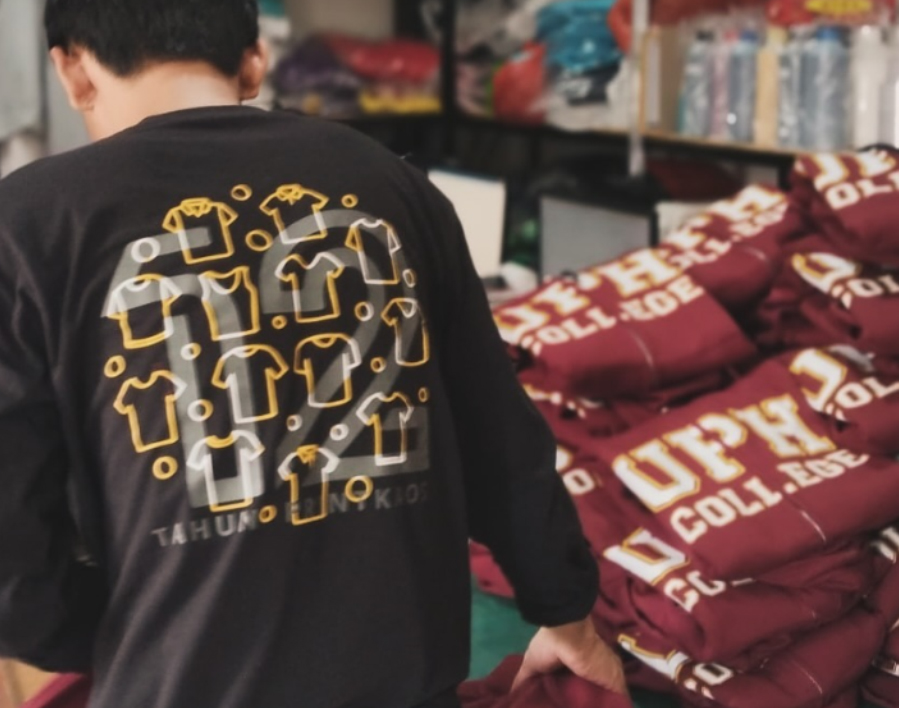
Produksi 1 hari
Cepat & Tepat Waktu
Mulai 45rb / pcs
Sudah Termasuk Kaos
Cocok Untuk Kebutuhan Corporate
Printkaos hadir sebagai partner produksi profesional untuk berbagai kebutuhan seragam dan merchandise perusahaan Anda.
Event Kantor
Outing, gathering, team building — kaos seragam yang bikin kompak dan berkesan.
Kaos Satuan
Kaos custom untuk kado atau penggunaan pribadi
Merchandise
Hadiah klien, souvenir, and brand merchandise yang meningkatkan brand awareness.
Kaos Kelas
Kaos Kelas menjadi kaos kenangan yang tak terlupakan
Kenapa Banyak Perusahaan Pilih Printkaos?
-
Mulai dari 1 pcs — fleksibel untuk sample Tidak perlu MOQ besar. Order sample dulu, lanjut produksi masal.
-
Harga mulai 45rb sudah termasuk kaos Harga transparan, all-in. Tidak ada biaya tersembunyi.
-
Hasil DTF detail, warna tajam & awet Teknologi DTF terkini — print presisi, warna hidup, tahan dicuci.
-
Produksi cepat & tepat waktu Proses 1–3 hari kerja. Cocok untuk deadline event yang mepet.
-
Bisa bantu layout desain logo Tim desainer kami siap membantu layout logo dan desain kaos Anda.
Pengalaman
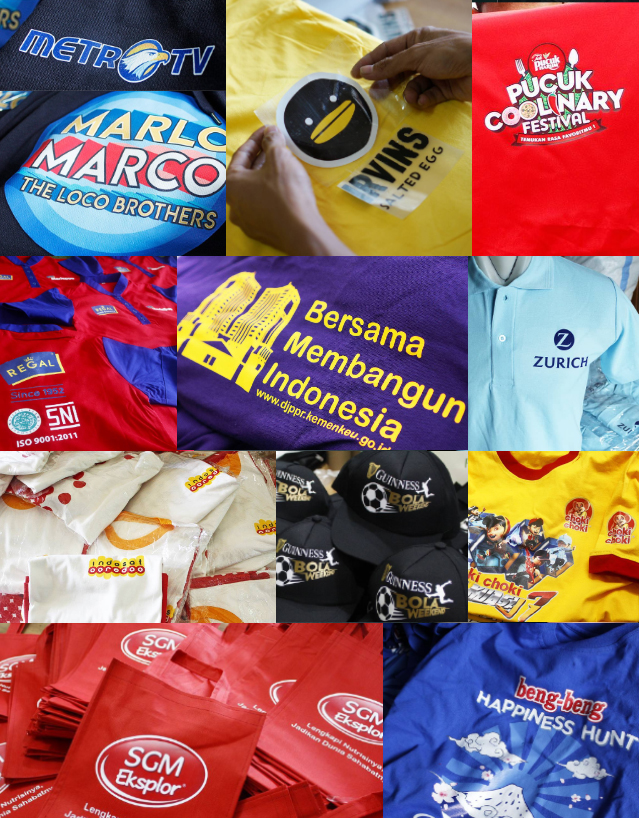
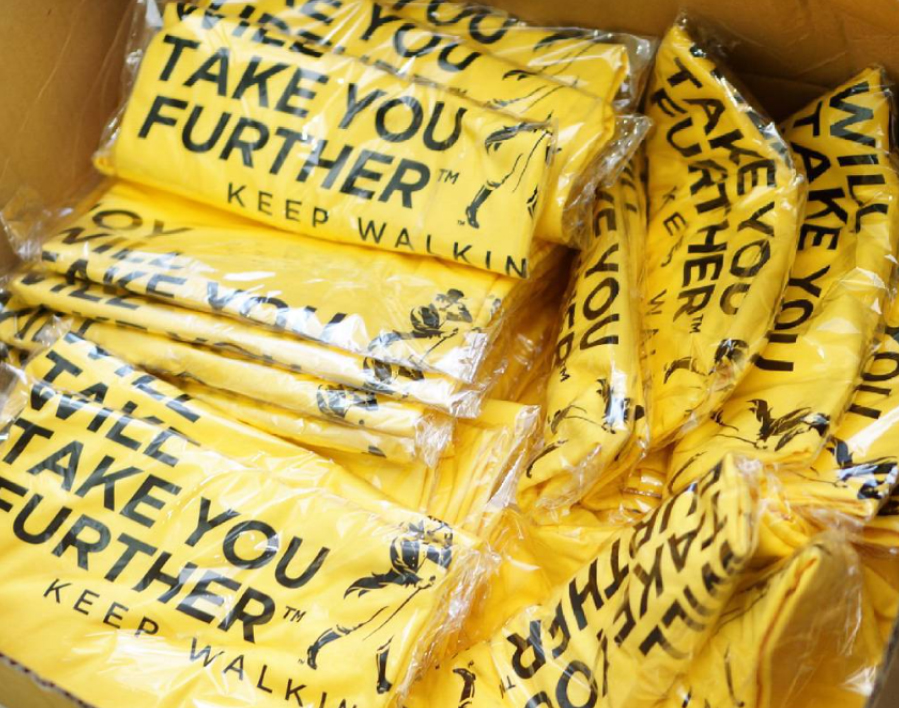
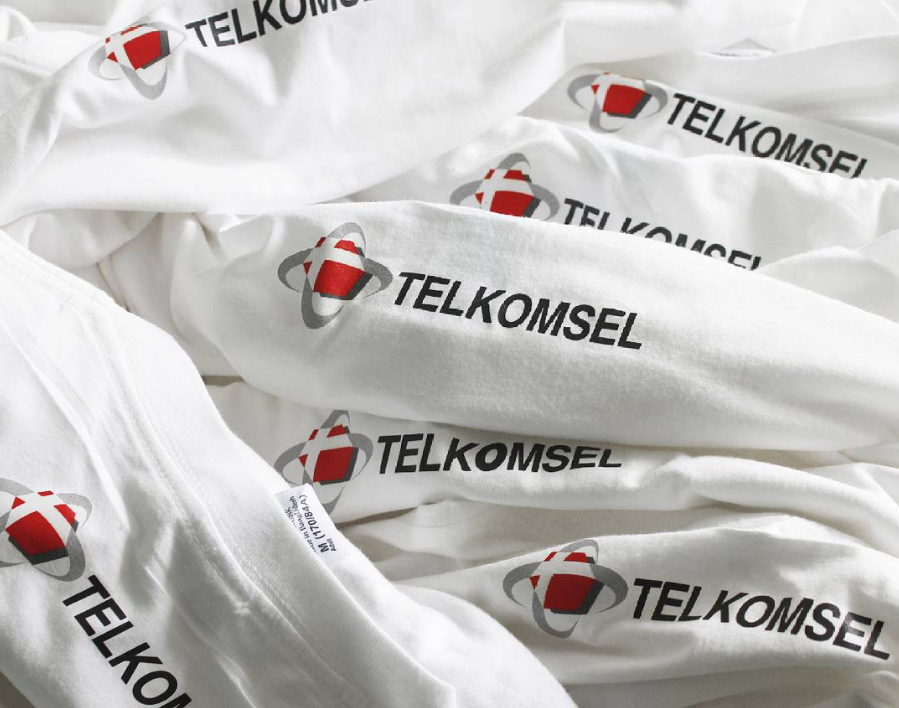
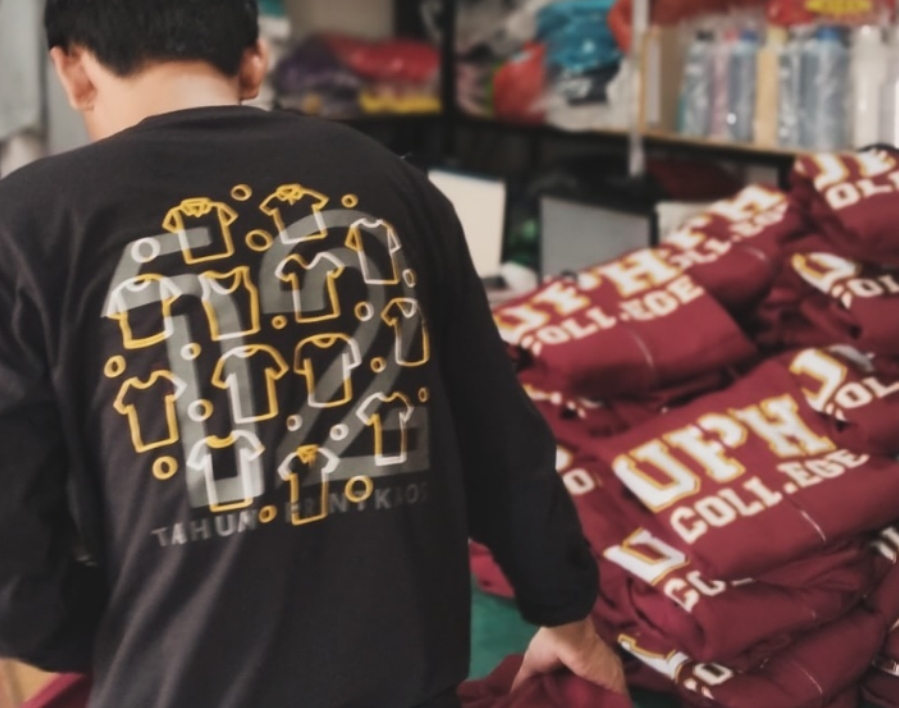
Hasil Produksi Kami
Foto real hasil produksi kaos corporate kami untuk berbagai klien perusahaan di seluruh Indonesia.
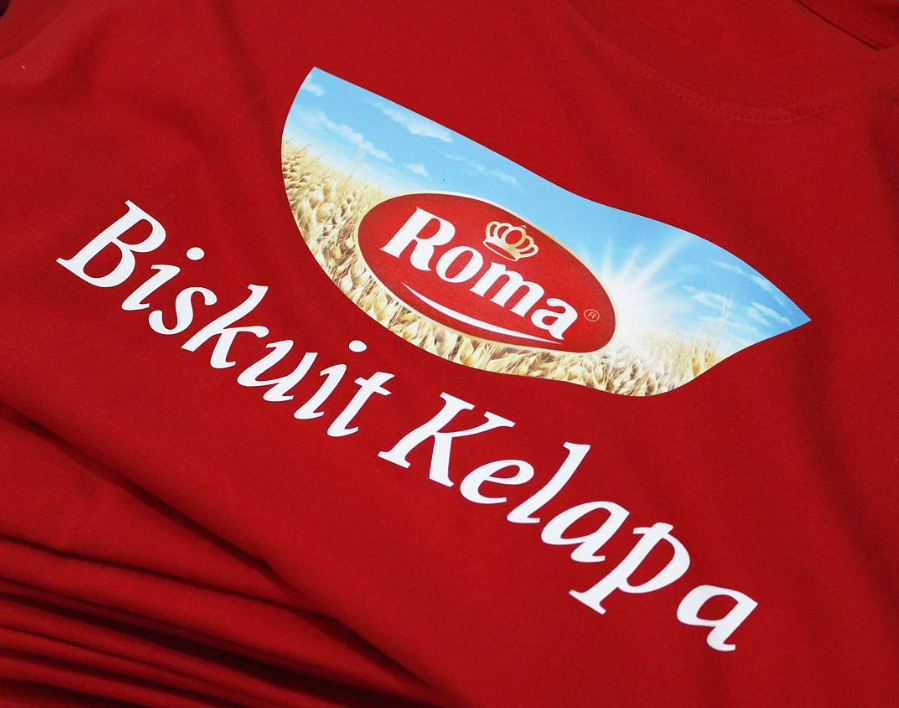
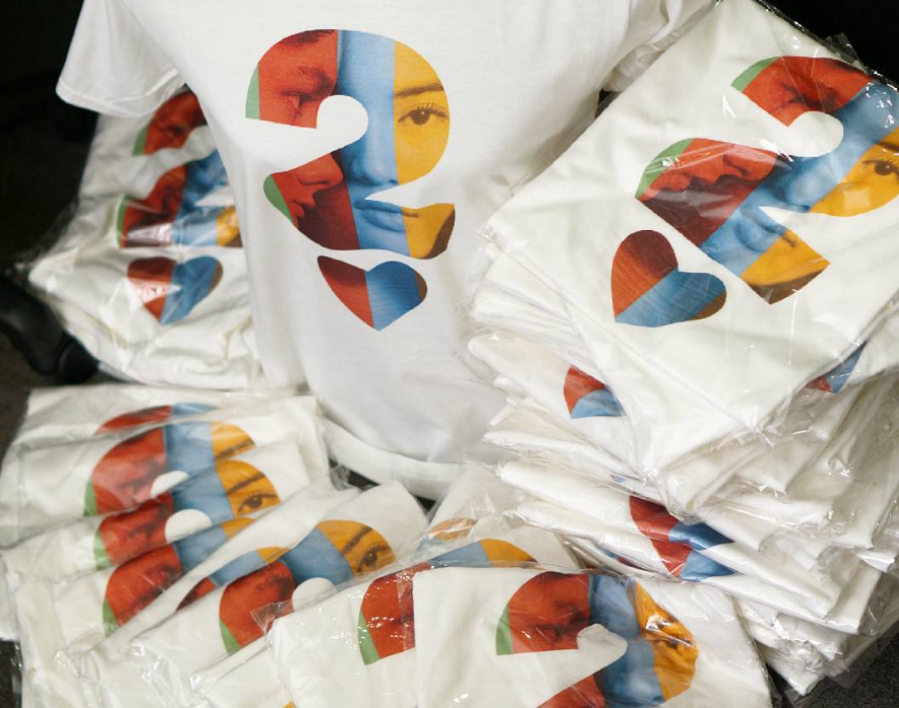

Proses Order yang Mudah
Cukup 4 langkah, kaos corporate Anda siap diproduksi dan dikirim ke lokasi Anda.
Kirim Kebutuhan
Chat via WhatsApp. Kirim logo, jumlah pcs, warna kaos, dan referensi desain Anda.
Preview Desain
Tim kami buatkan preview mockup desain. Bisa revisi tanpa batas sebelum produksi.
Produksi
Setelah ACC desain, langsung produksi kurang dari 24 jam
Kirim ke Lokasi
Dikemas rapi dan dikirim ke lokasi Anda di seluruh Indonesia.
Harga Transparan, Tanpa Kejutan
Semua harga sudah termasuk kaos. Semakin banyak, semakin hemat.
- Kaos Cotton Combed 30s
- Print DTF full color
- Free mockup desain
- Revisi sebelum produksi
- Kaos Cotton Combed 30s
- Print DTF full color
- Free mockup desain
- Revisi sebelum produksi
- Konsultasi desain gratis
- Kaos Cotton Combed 30s
- Print DTF full color
- Free mockup desain
- Revisi sebelum produksi
- Harga spesial korporat
- Priority production
* Catatan: Harga tergantung desain, area print, dan jenis bahan. Hubungi kami untuk konsultasi & penawaran terbaik.
Corporate Package
Paket siap pakai untuk kebutuhan event & seragam perusahaan Anda.
Paket Event
- Kaos Cotton Combed 30s
- Print DTF full warna
- Free desain mockup
- Pengiriman ke lokasi
- Revisi desain gratis
Paket Gathering
- Kaos Cotton Combed 30s
- Print DTF full warna
- Free desain mockup
- Pengiriman ke lokasi
- Revisi desain gratis
Paket Seminar
- Kaos Cotton Combed 30s
- Print DTF full warna
- Free desain mockup
- Pengiriman ke lokasi
- Revisi desain gratis
Dipercaya Banyak Perusahaan
Ini kata mereka yang sudah mempercayakan kebutuhan kaos corporate ke Printkaos.
Sangat puas dengan hasil seragam kantor kami. Jahitannya rapi dan bahannya sangat nyaman dipakai seharian. Recomended banget!

Pesan kaos untuk acara komunitas, hasilnya luar biasa. Sablonannya awet dan desainnya sesuai dengan yang kami harapkan.

Layanan cepat dan komunikatif. Pesanan jaket angkatan kami selesai tepat waktu dan kualitasnya sangat premium.

Pertanyaan yang Sering Ditanya
Temukan jawaban untuk pertanyaan umum seputar pemesanan kaos custom corporate di Printkaos.
Siap Printkaos Kebutuhan Kaos Anda?
Konsultasi gratis, respon cepat. Chat sekarang dan dapatkan penawaran terbaik untuk kebutuhan kaos anda.